
Losar and Chötrul Düchen
On February 18, we will celebrate Losar, the Tibetan New Year. This is the year 2,153, represented by the Fire Horse.
For 15 days starting on New Year's Day, we have the sacred period of Chötrul Düchen.
During this very special period, the effects of our actions, both virtuous and non-virtuous, are multiplied millions of times over. During this powerful time of multiplicity, our practice and virtue have the potential to amplify even further, creating excellent conditions to bring benefits to ourselves and all beings.
Learn more
• Losar
The word Losar is a Tibetan word for New Year. LO means year and SAR means new. The Tibetan New Year is celebrated on the first day of the first month of the Tibetan lunar calendar, which usually falls in January or February, although it can also occur in March.
On the eve of Losar, although it is not a Buddhist tradition, it is customary among Tibetans to do a general cleaning of their homes, closets, and personal practice environments.
• Chötrul Düchen
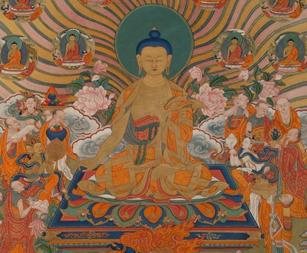
For 15 days starting on New Year's Day, we have the sacred period of Chötrul Düchen, which celebrates the occasion when Buddha Shakyamuni manifested one miracle per day for fifteen days, with the motivation of inspiring faith in his followers.
The climax of this period is the first full moon of the Tibetan lunar year, which this time will be celebrated on March 3.
Strengthen your practice
Take advantage of this auspicious period when the effects of actions are multiplied thousands of times over and include virtuous actions in your routine. Be generous, practice meditation, and make auspicious wishes for the benefit of all beings.
Please confirm your PARTICIPATION IN PERSON in the tsog by filling out the form above.
• 5:30 am: Katag offering at the stupa
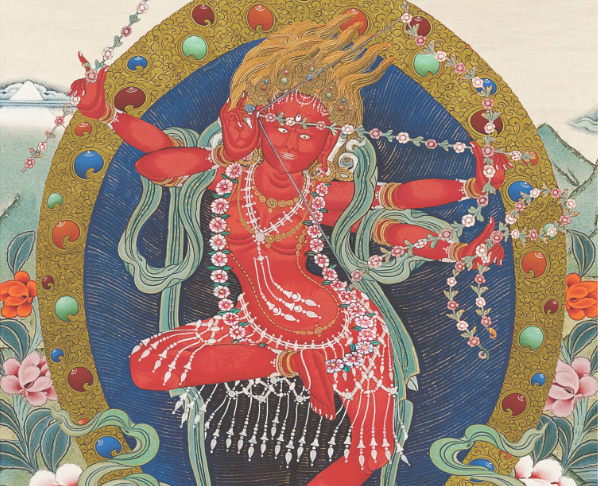
• 6:00 am: Red Tara Tsog and morning puja
• 9:00 am: Saving lives
Remove your shoes and hat before entering the meditation room.
Photography, recording, or filming inside the meditation room or during teachings is not permitted.
Do not touch practitioners' objects or musical instruments.
Do not lie down in the practice and teaching environment.
It is traditional, in the presence of Rinpoches and Lamas, to wait standing until they sit down. Then, three prostrations are made as a sign of respect.
Do not point your feet at statues, lamas, or sacred objects.
Do not step over sacred texts, practice objects, or benches.
Do not place texts directly on the floor.
Sacred texts are loaned for use only during meditation practices and should not be taken home or copied without the Temple's permission.
If you find an object that does not belong to you, please hand it over to one of our volunteers on site.
Free parking.
As our parking is limited, we strongly suggest that practitioners carpool.